SDA Design Categories & What They Mean for Value
This article is general information only, not financial or investment advice. Confirm SDA pricing and demand for your situation with the NDIS and a licensed adviser.
For a buyer, the SDA design category is the single biggest driver of both the payment you'll earn and the tenants who can live in the home. Understanding the four categories — and matching them to real demand — is how you avoid the most expensive mistake in SDA.
Why the category matters to your return
Every SDA dwelling is built to one of four design categories. The NDIS sets a different SDA price for each, so the category directly shapes your income. It also decides who your home is suitable for — a mismatch between category and local need is the most common cause of long vacancies.
Improved Liveability
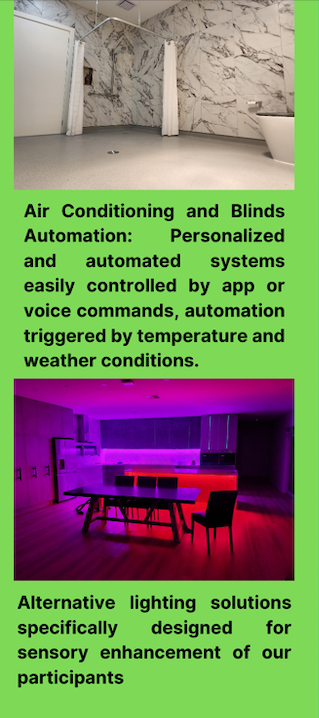
Homes with better physical access and features that support people with sensory, intellectual or cognitive impairment — good lighting, clear lines of sight, easy-to-read spaces. This is typically the lowest SDA price point, but demand can be steady in the right area. Best where the local need is cognitive/sensory rather than high-physical.
Fully Accessible
Homes with a high level of physical access for people with significant physical impairment — for example, someone who uses a wheelchair at home. A middle price point with broad appeal, since physical accessibility suits a wide range of participants.
Robust
Homes built to be strong, safe and durable, designed to reduce damage and keep residents and neighbours safe. A more specialised market — fewer participants, but often less competition from other listings. Location and provider experience matter a lot here.
High Physical Support
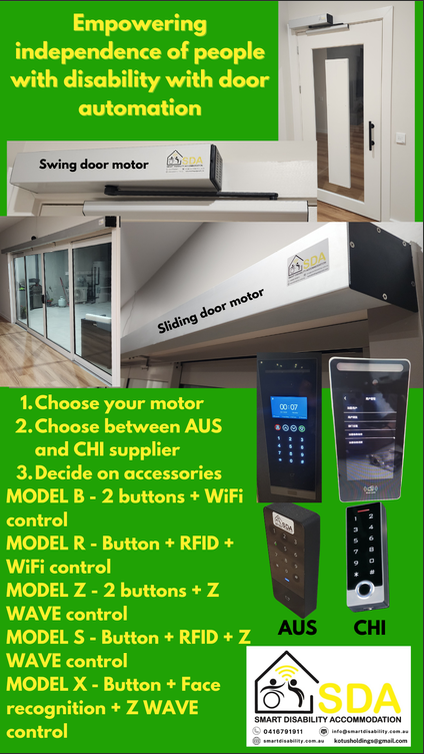
Homes for people needing very high levels of support, often with ceiling hoists, backup power and home automation. This category attracts the highest SDA payments — and the highest build cost. It can deliver strong returns where there's genuine high-support demand, but getting the location and tenanting right is critical.
How to use categories when you buy
- Start with demand, not the building. Check NDIS SDA demand for your target region by category before you choose.
- Match category to need. The highest-paying category is only worthwhile if there are participants who need it nearby.
- Confirm certification. The home must be certified to the NDIS SDA Design Standard for that category and enrolled with the NDIS.
- Factor in build and holding costs. Higher categories pay more but cost more to build and fit out.
Frequently asked questions
Which SDA category pays the most?
High Physical Support generally attracts the highest SDA payment, followed by Fully Accessible and Robust, with Improved Liveability typically lowest — but it also costs the most to build.
Which category is the best investment?
There's no single answer — the best category is the one that matches genuine, evidenced demand in your chosen location. A lower-paying category that's tenanted beats a high-paying one that sits empty.
Can a home be more than one category?
An SDA dwelling is certified and enrolled to a specific design category. Always confirm the category in the property's certification documents.
Ready to compare homes? Browse SDA properties for sale by state and design category at SDAccommodations.com.au.
Source: NDIS — SDA Design Standard and pricing arrangements.