What is SDA?

Specialist Disability Accommodation (SDA) is housing funded by the NDIS for people with extreme functional impairment or very high support needs. It pays for the home itself — a purpose-built or modified property with features like wider doorways, ceiling hoists or reinforced walls. SDA covers the building, not the day-to-day support you receive in it.
That last point is the one most people find confusing, so let’s start there.
What does SDA actually pay for?
Think of it as two separate things.
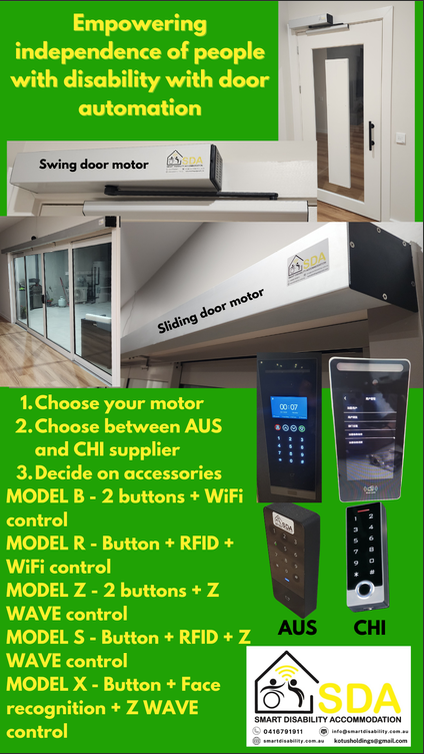
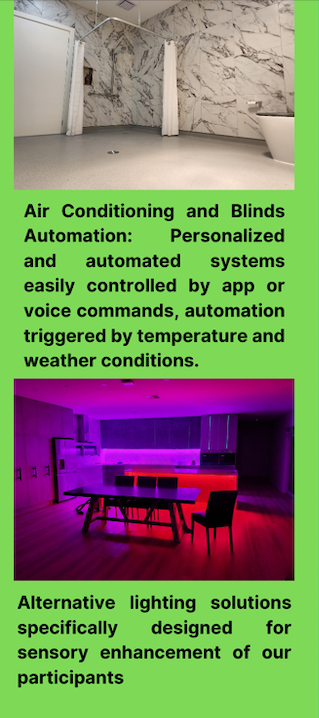
SDA pays for the bricks and mortar. It funds the specialist home — the accessible bathroom, the automation, the sturdier build. The NDIS pays this amount directly to the SDA provider who owns or manages the property.
Your support is funded separately. The help you receive day to day — personal care, cooking, getting ready in the morning — is usually funded through Supported Independent Living (SIL) or other supports in your plan.
So a person can have SDA funding for the house and SIL funding for the support team. They’re related, but they’re not the same pot of money, and they don’t have to come from the same provider.
Who is SDA for?
SDA is designed for a small group of NDIS participants — generally people with extreme functional impairment or very high support needs, where an ordinary home simply doesn’t work.
To access it, SDA needs to be included in your NDIS plan. The NDIS looks at your housing goals and supporting evidence, often including reports from an occupational therapist or your support coordinator, before deciding whether SDA is the right fit.
If you’re not sure whether you qualify, that’s normal — most people find out through the planning conversation with the NDIS, with help from a support coordinator.
The four SDA design categories
Every SDA home is built to one of four design categories. Knowing which one suits you makes searching far easier, because listings are grouped this way.
Improved Liveability — homes with better physical access and features that help people with sensory, intellectual or cognitive impairments. Think good lighting, clear lines of sight, and easy-to-see walls and floors.
Fully Accessible — homes with a high level of physical access for people with significant physical challenges, such as someone who uses a wheelchair at home.
Robust — homes built to be strong, safe and durable, designed to reduce damage and the need for repairs, while keeping the resident and those around them safe.
High Physical Support — homes for people needing very high levels of support. These often include ceiling hoists, backup power, and home automation or communication technology.
New SDA homes must be certified against the NDIS SDA Design Standard, and every SDA dwelling has to be enrolled with the NDIS before a participant can move in.
What about the cost?
SDA funding doesn’t mean the home is entirely free. Participants generally pay a reasonable rent contribution — commonly worked out as a portion of the Disability Support Pension plus any Commonwealth Rent Assistance — and the NDIS pays the SDA amount to the provider on top of that.
Your exact contribution depends on your circumstances, so it’s worth confirming the figures with the provider and the NDIS before you sign anything.
How do you find an SDA home?
Once SDA is in your plan, the search begins — and this is where many families tell us they get stuck. Vacancies aren’t always easy to find, and knowing which homes match your funding and support needs takes time.
A few things make it easier:
- Search by design category, not just location. It narrows the list quickly to homes that actually suit you.
- Check whether support is available in that home, especially if you also have SIL funding.
- Ask your support coordinator to help — they do this often and know what to look for.
- Contact the provider directly with your questions about the property, the other residents and the timing.
On SDAccommodations you can search SDA and SIL vacancies across Australia by location, design category and features, and message the provider straight from the listing. Listings are free for providers — permanently — so more homes end up in one place for you to compare.